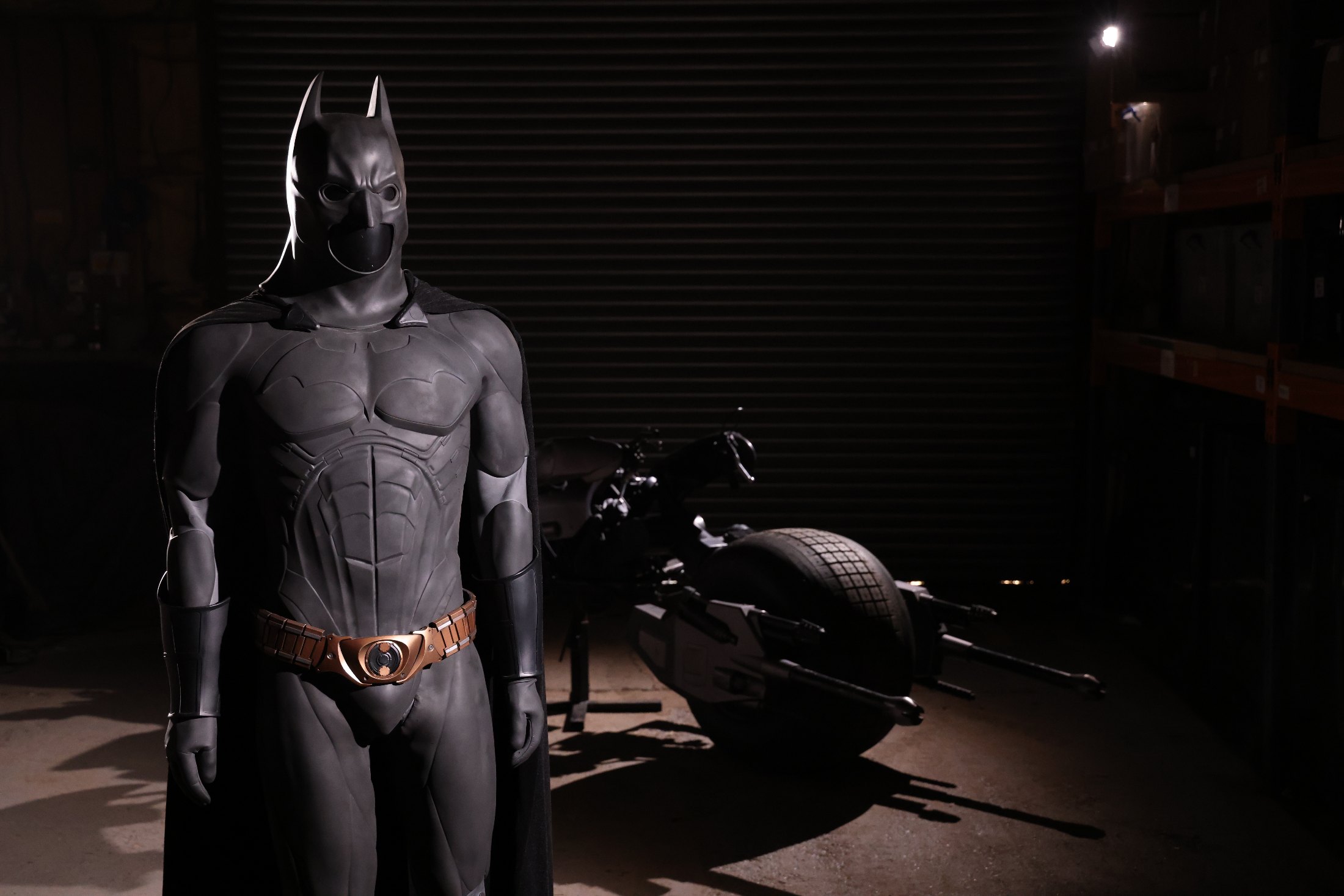
From miniature spacecraft to mechanical creatures, audiences remain fascinated by the visual effects they can actually touch. These are the key lots that showcase the magic of practical effects versus digital filmmaking, and reveal how one often informs the other.
Before digital artists could create an entire world inside a computer, filmmakers relied on craftsmanship to bring their visions to life. As Christopher Nolan once said, “However sophisticated your computer-generated imagery is, if it’s been created from no physical elements and you haven’t shot anything, it’s going to feel like animation.”
And Nolan has stuck to his word as his latest hit The Odyssey demonstrates. Despite that film’s fantastical world of gods and monsters, Nolan used as many practical effects as he could to bring the film to life. Propstore’s latest auction wouldn’t be possible without the decades of craftsmanship in the film and TV industry, with hand-sculpted creatures, physical monster costumes, and working puppets all up for auction.

On one end of the puppet spectrum, we have a number of Thunderbirds puppets in the catalogue. Created in the 1960s by Gerry and Sylvia Anderson, the Thunderbirds were an innovative solution for bringing their fantastical visions of the future to life. Where full-scale visual effects, sets, and futuristic vehicles would have been prohibitively expensive to create, puppets – typically 20-24 inches tall – and scale models allowed them to create dramatic, fast-paced action with much smaller budgets.
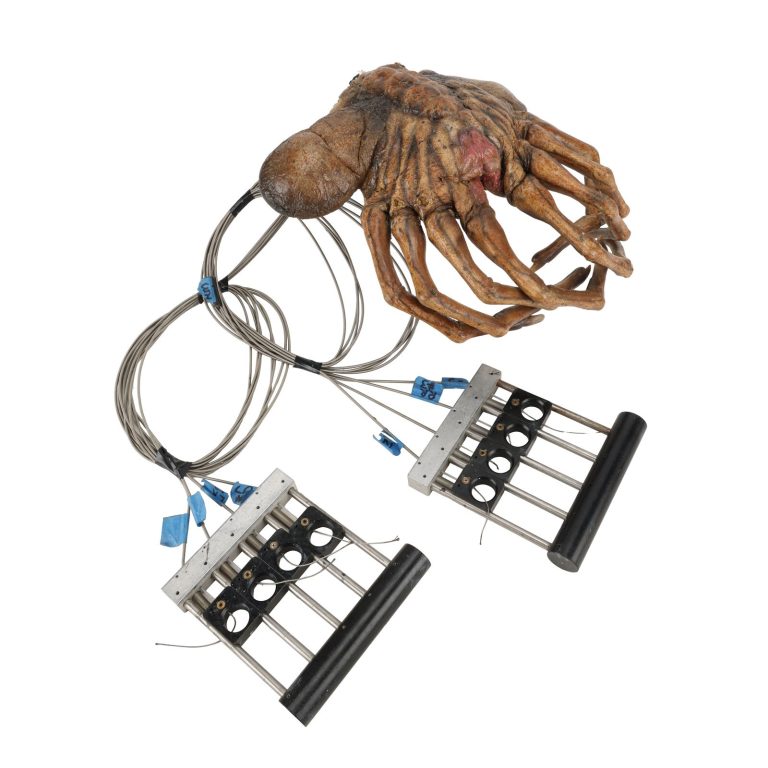
On the other end of the spectrum, we have an animatronic facehugger from Alien vs Predator. Worlds apart from the charming Thunderbirds, but constructed on a similar premise, this fearsome alien creature is operated like a glove, with one hand inside for movement, while its legs are manipulated separately using a cable system. Although made 40 years apart, it just shows how the old ways are often the best. An animatronic locust from 2022’s Jurassic World: Dominion shows there’s no substitute for the real thing – even giant extinct bugs.
Other lots highlight how practical effects are used to help add a layer of realism to computer generated effects. A Groot mask from James Gunn’s game-changing Marvel movie Guardians of the Galaxy shows that a physical reference point on set will always help when it comes to fully-CGI characters. The mask was worn on top of actor Krystian Godlewski’s head to give actors a proper eyeline to work with, while a motion capture suit helped provide a frame of reference for the digital artists to work from.
 Upcoming
 Upcoming
 Upcoming
THUNDERBIRDS (TV SERIES, 1965-1966)/THUNDERBIRDS ARE GO (1966)/THUNDERBIRD 6 (1968)
Estimate: £100,000 - £200,000
Brains puppet
 Upcoming
 Upcoming
 Upcoming
 Upcoming
TERMINATOR 3: RISE OF THE MACHINES (2003)
Estimate: £25,000 - £50,000
Stan Winston Studio Animatronic Light-Up T-X (Kristanna Loken) Skull
 Upcoming
 Upcoming
In some cases the practical effect becomes the character itself. This is exemplified in the Terminator. Born from a nightmare that James Cameron once had, the T-800 is one of the most impressive special effects ever committed to film. The complete hero T-800 in the catalogue showcases master craftsman Stan Winston’s work on Terminator 2: Judgment Day, revealing the deterioration of Arnold Schwarzenegger’s character through the film. Although T2 was lauded for its groundbreaking CGI work, James Cameron recognised that Schwarzenegger was the film’s greatest special effect.
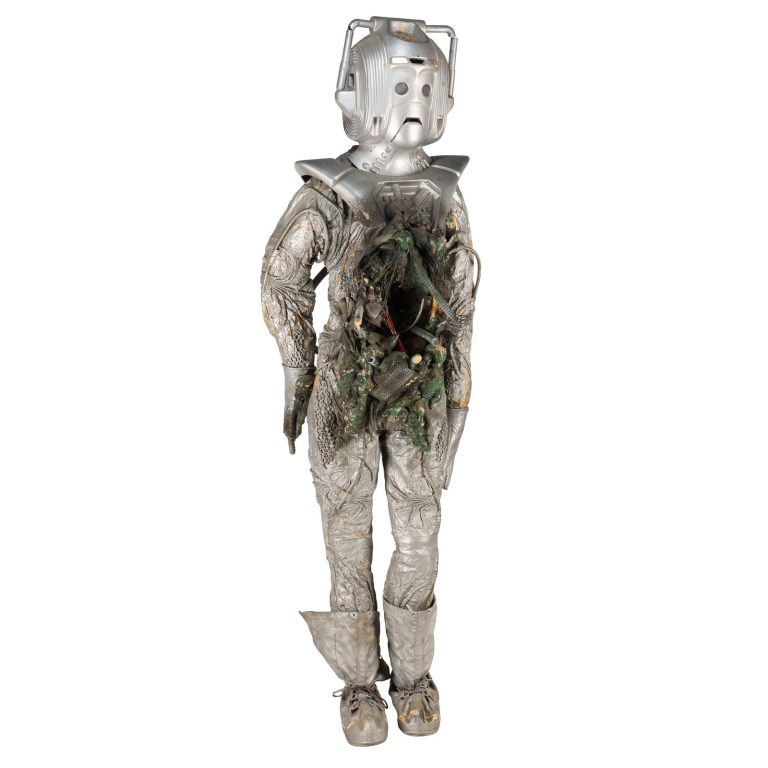
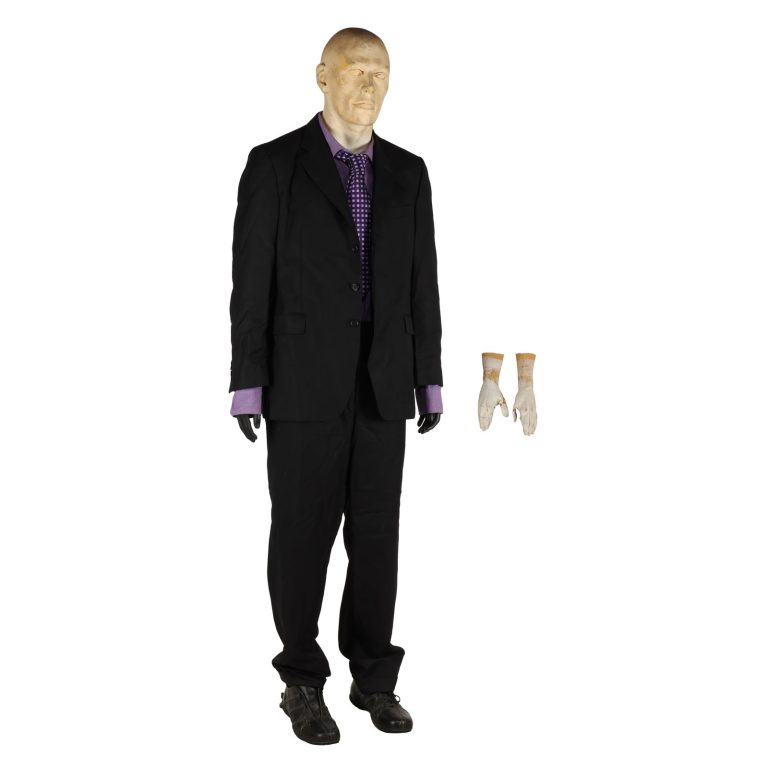
And when budgets can’t stretch that far (Terminator 2 was the most expensive film ever made at that time), nothing beats a creepy costume, as the people behind Doctor Who can attest. Among the Doctor Who lots in the catalogue are a Cyberman and an Auton. They come from the classic era and the modern era, but both are scary enough to keep you hiding behind the sofa, thanks to the magic of practical effects.